Search for:
  • Home/
  • Day: September 23, 2026

Kitchen Remodeling Support For Functional Water Systems

A kitchen remodel offers an excellent opportunity to improve convenience, organization, and water system performance. Thoughtful planning can help sinks, faucets, drains, and connected plumbing work smoothly with new layouts and modern household routines. Combining attractive improvements with practical plumbing considerations creates a kitchen that feels comfortable and efficient every day.

Plan Plumbing Around The New Layout

Kitchen remodeling often changes the location of sinks, appliances, cabinets, and work areas. Considering plumbing requirements early can support a well-organized result and make everyday activities easier.

  • Map existing water connections
  • Review drain locations carefully
  • Plan sink placement early
  • Consider appliance water needs
  • Keep plumbing access convenient
  • Coordinate fixture positions

Early planning also provides an opportunity to identify useful improvements while keeping the project organized and efficient.

Improve Sink And Faucet Function

The sink is one of the busiest areas in a kitchen. A practical remodeling plan can make this space easier to use while supporting dependable water flow and convenient cleanup.
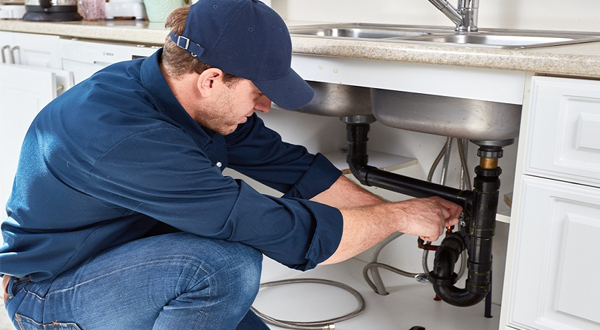
hopkinsville plumber

Useful Sink Considerations

  • Choose a comfortable sink position
  • Allow generous workspace nearby
  • Keep faucet controls accessible
  • Consider efficient water flow
  • Provide suitable cabinet clearance
  • Maintain easy access below the sink

Professional guidance from a hopkinsville plumber can also support thoughtful plumbing coordination when a remodeled kitchen requires updates to water connections or drainage.

Support Reliable Drainage

A functional kitchen depends on efficient drainage for washing dishes, preparing meals, and maintaining clean work areas. Remodeling provides a valuable chance to improve drainage arrangements and keep plumbing components accessible.

Drainage-Friendly Improvements

  • Keep drain paths well planned
  • Use suitable drain fittings
  • Maintain accessible connections
  • Avoid unnecessary pipe bends
  • Keep sink drainage organized
  • Schedule appropriate inspections

Well-planned drainage can contribute to a cleaner, more comfortable kitchen experience while supporting smooth household routines.

Prepare For Modern Appliances

Many kitchens include appliances that require carefully positioned water connections. Planning these needs during remodeling can help create an organized space with convenient access.

  • Review appliance connection points
  • Plan water supply locations
  • Allow proper clearance
  • Keep shutoff access convenient
  • Organize nearby plumbing connections
  • Coordinate installation requirements

These details can make future maintenance and everyday appliance use more straightforward.

Create Accessible Plumbing Spaces

Cabinet upgrades can transform kitchen storage, but plumbing access should remain practical. Thoughtful cabinet planning can provide both attractive organization and convenient access to essential connections.

Helpful Accessibility Ideas

  • Keep shutoff valves reachable
  • Avoid blocking plumbing connections
  • Leave suitable service space
  • Organize items beneath sinks
  • Keep inspection areas clear
  • Maintain tidy utility spaces

Enjoy A More Functional Kitchen

A successful kitchen remodel brings together comfort, organization, and reliable utility performance. Careful plumbing planning can support smooth water flow, efficient drainage, convenient fixtures, and easier maintenance. With attention to every connection and access point, homeowners can create a kitchen that supports cooking, cleaning, entertaining, and daily routines with lasting comfort and confidence.

Custom Building Options Support Workshops Offices Hobbies And Storage

A thoughtfully customized shed can provide a versatile extension of available living and working space. With carefully selected layouts, dimensions, features, and finishes, one structure can support practical storage, creative hobbies, productive work, or specialized workshop activities while complementing the surrounding outdoor environment.

Create Productive Workshop Spaces

A custom-built shed can provide a dedicated area for hands-on projects and equipment. Thoughtful planning allows tools, work surfaces, and materials to remain organized while maintaining comfortable movement throughout the space.

  • Install sturdy workbenches for practical projects.
  • Add shelving for tools and materials.
  • Create dedicated areas for larger equipment.
  • Include suitable lighting for detailed tasks.
  • Maintain clear pathways around work areas.

Design Comfortable Home Offices

A customized shed can offer a separate environment for focused work and professional activities. A suitable layout can combine a desk, storage, lighting, and comfortable surroundings to create an efficient workspace away from household distractions.

  • Plan a practical desk arrangement.
  • Include storage for documents and supplies.
  • Add windows for natural illumination.
  • Provide comfortable space for movement.
  • Organize electrical access around work requirements.

Develop Inspiring Hobby Rooms

Personal hobbies often benefit from a dedicated environment where materials and equipment can stay organized. Custom features can transform an ordinary storage structure into an enjoyable space designed around individual interests.

  • Create work surfaces for creative activities.
  • Add cabinets for hobby materials.
  • Install shelves for organized collections.
  • Provide dedicated areas for equipment.
  • Design flexible spaces for changing projects.

Maximize Everyday Storage

Custom dimensions and interior features can make storage considerably more efficient. Shelves, cabinets, hooks, and open floor areas can be planned according to the types of belongings that need to be stored.

  • Create separate zones for seasonal items.
  • Add vertical shelving for smaller belongings.
  • Use hooks for long-handled equipment.
  • Reserve floor space for larger items.
  • Keep frequently used supplies easily accessible.

Combine Multiple Functions

One of the greatest advantages of custom construction is the ability to combine different purposes within one structure. A carefully divided interior can support work, storage, hobbies, and other activities without compromising organization.

  • Separate work and storage areas.
  • Create multipurpose surfaces for different tasks.
  • Include adaptable furniture arrangements.
  • Use partitions where activity zones are helpful.
  • Reserve flexible space for future requirements.

Enhance Exterior Functionality

Customization can extend beyond the interior to create a practical and attractive exterior. Door placement, windows, roof styles, and finishes can be selected to improve accessibility and complement the surrounding property.

  • Choose doors suitable for equipment access.
  • Add windows where natural light is valuable.
  • Select practical exterior finishes.
  • Include overhangs for additional protection.
  • Coordinate exterior details for visual harmony.

Plan for Long-Term Use

A custom structure can be designed around current requirements while allowing room for future changes. Durable materials, adaptable layouts, and thoughtful storage features can help the building remain useful as activities and priorities evolve.

  • Select durable construction materials.
  • Allow room for future storage needs.
  • Use adaptable interior arrangements.
  • Plan access around larger equipment.
  • Consider multiple uses before finalizing the layout.

Custom building options provide a practical foundation for creating versatile spaces that support work, creativity, organization, and personal projects. Exploring Alberta sheds can inspire ideas for layouts, features, and finishes that match individual requirements. With careful planning, a customized structure can become a valuable workshop, office, hobby room, storage area, or combination of several functions while delivering lasting everyday convenience.

Distinct Control Methods Support Efficient Industrial Process Management

Efficient industrial process management depends on selecting suitable control methods for different operating requirements. Distinct approaches can support accurate flow regulation, dependable movement, and consistent system performance. Understanding how each method functions helps teams develop organized processes while improving responsiveness, operational stability, and overall efficiency.

Understanding Control Method Differences

Different control methods are designed to perform specific functions within fluid handling and process systems. Some focus on positioning or movement, while others are designed to regulate process conditions with greater precision.

Clear knowledge of these differences supports informed system planning and effective equipment selection.

  • Identify the primary process requirement.
  • Consider the desired level of control.
  • Review operating conditions carefully.
  • Match control methods to system objectives.
  • Prioritize dependable and consistent performance.

Actuation Supports Reliable Movement

Actuation methods provide controlled mechanical movement that allows valves and related components to operate effectively. Selecting an appropriate actuation approach can support dependable opening, closing, and positioning across different operating conditions.

Reliable movement also contributes to smoother process operation and easier integration with broader control strategies.

  • Supports consistent mechanical movement.
  • Enables dependable opening and closing.
  • Provides practical positioning capabilities.
  • Helps simplify operational routines.
  • Supports efficient equipment coordination.

Regulation Improves Process Precision

Control-focused methods can provide more refined regulation when processes require adjustments to flow or other operating conditions. Precise regulation helps maintain desired parameters and encourages stable performance across changing process demands.

Well-designed control strategies can also improve responsiveness, making it easier to maintain consistent operating conditions.

  • Supports accurate process adjustment.
  • Encourages stable operating conditions.
  • Improves responsiveness to process changes.
  • Helps maintain desired flow levels.
  • Promotes consistent system performance.

Selecting Suitable Valve Approaches

Understanding the differences between actuation and regulation is valuable when developing efficient process systems. A useful reference for comparing these approaches is https://www.vincervalve.com/actuated-valve-vs-control-valve/, which can help clarify their distinct roles. Careful selection allows system designers to align equipment characteristics with specific operational requirements while supporting reliable long-term performance.

Key Factors Support Better Decisions

Several practical considerations can guide control method selection. Evaluating the complete operating environment ensures that chosen components complement the process and contribute to dependable performance.

  • Assess required flow characteristics.
  • Consider response and positioning needs.
  • Review pressure and temperature conditions.
  • Evaluate maintenance accessibility.
  • Plan for long-term operational reliability.

Integration Strengthens Process Management

Effective integration allows different control elements to work together as part of a coordinated process. Properly selected components can support smoother communication between mechanical functions and process requirements. This coordinated approach can improve operational consistency while creating a structured foundation for efficient management and future improvements.

Building More Efficient Operations

Distinct control methods provide valuable opportunities to optimize industrial process management. By understanding their functions, evaluating operating requirements, and selecting suitable approaches, organizations can create systems that emphasize reliability, precision, and efficiency. Thoughtful control selection supports smoother operation, better process consistency, and dependable performance. As industrial systems continue to evolve, well-matched control methods can provide a strong foundation for efficient management and sustained operational excellence.