
Modern Canning Line Creates Efficient Results With Precision Automation
Efficient packaging depends on smooth coordination, accurate filling, secure sealing, and dependable product movement. A modern canning line brings these stages together through precision automation, helping production teams achieve consistent results while maintaining an organized and productive workflow.
Accurate Filling Supports Consistent Quality
Precision filling helps maintain uniform quantities across every container. Automated filling systems can coordinate product delivery with container movement, supporting dependable output and reducing unnecessary variation.
- Delivers consistent product quantities
- Supports accurate filling performance
- Minimizes unnecessary product loss
- Maintains smooth container movement
- Encourages dependable batch quality
Automated Movement Improves Workflow
Integrated conveyors and synchronized equipment allow containers to move efficiently between processing stages. This coordinated approach helps create a continuous workflow with fewer interruptions and greater operational convenience.
- Maintains steady container flow
- Reduces unnecessary handling
- Supports continuous production
- Improves coordination between stages
- Creates an organized packaging sequence
Reliable Sealing Protects Product Integrity
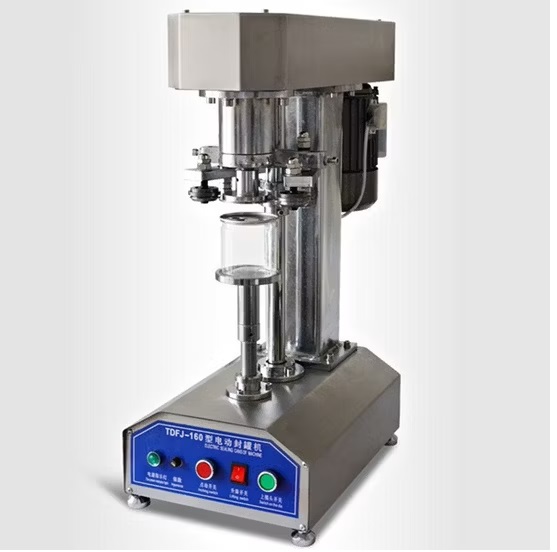
Secure sealing is an essential part of successful canning operations. Automated seaming equipment can apply consistent sealing pressure and alignment, helping finished containers remain securely closed throughout handling and storage.
- Creates dependable container closure
- Supports consistent seam formation
- Helps protect packaged contents
- Encourages uniform finished appearance
- Strengthens overall packaging reliability
Precision Automation Enhances Productivity
Automation enables multiple packaging functions to operate in a carefully coordinated sequence. By reducing repetitive manual tasks, modern equipment can support faster production cycles while helping maintain consistent operating standards.
- Increases production efficiency
- Reduces repetitive manual activities
- Supports stable operating speeds
- Improves process coordination
- Encourages dependable daily output
Flexible Performance Meets Production Needs
Modern canning systems can accommodate different products and container requirements through adaptable filling and handling arrangements. This flexibility makes it easier to maintain productive operations while supporting changing packaging demands.
- Handles varied product characteristics
- Supports different container formats
- Enables convenient production adjustments
- Promotes versatile packaging operations
- Maintains consistent processing quality
Hygienic Design Supports Better Results
Clean and well-organized processing contributes to dependable packaging performance. Equipment designed for efficient product handling and straightforward maintenance can support a cleaner workflow and help preserve product quality throughout production.
- Encourages hygienic product handling
- Supports orderly processing areas
- Simplifies routine equipment care
- Helps maintain consistent performance
- Promotes reliable packaging conditions
Smarter Efficiency Through Integrated Systems
A well-coordinated canning line combines filling, sealing, conveying, and finishing stages into one streamlined process. This integration creates valuable operational efficiency while helping teams achieve reliable results with greater consistency.
- Improves overall process synchronization
- Supports dependable production continuity
- Reduces avoidable process delays
- Enhances resource utilization
- Creates a smooth packaging experience
Conclusion
Modern canning technology offers an effective path toward precise, efficient, and consistent packaging performance. With accurate filling, dependable sealing, automated movement, flexible operation, and coordinated processing, a modern canning line can strengthen productivity and create excellent finished results. Further information about advanced canning solutions is available at https://www.levapack.com/ru/, providing useful insight into efficient automated packaging approaches.